
Photographing Wildflowers in Colorado
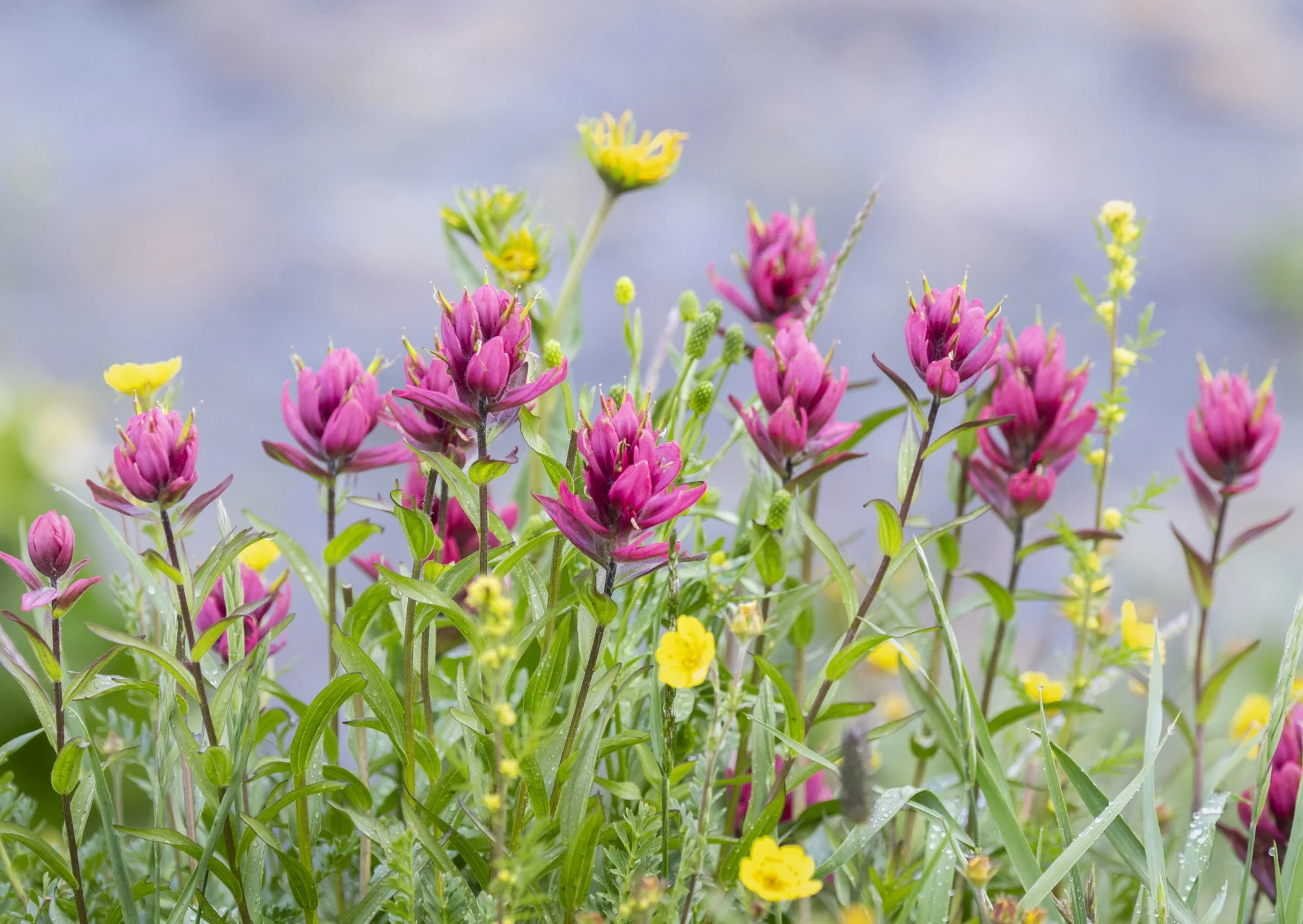
There’s a lot I love about living in Colorado, especially how the seasons change. Summer, autumn and winter bring dramatic shifts, but since we live at a high altitude, spring for us is mostly mud season. Snow often sticks around until June and with the exception of some lower elevation areas, wildflowers don’t appear until late June through August.
But this year is different. The tulips and daffodils I planted in planters last October are already starting to bloom.
The Adventure
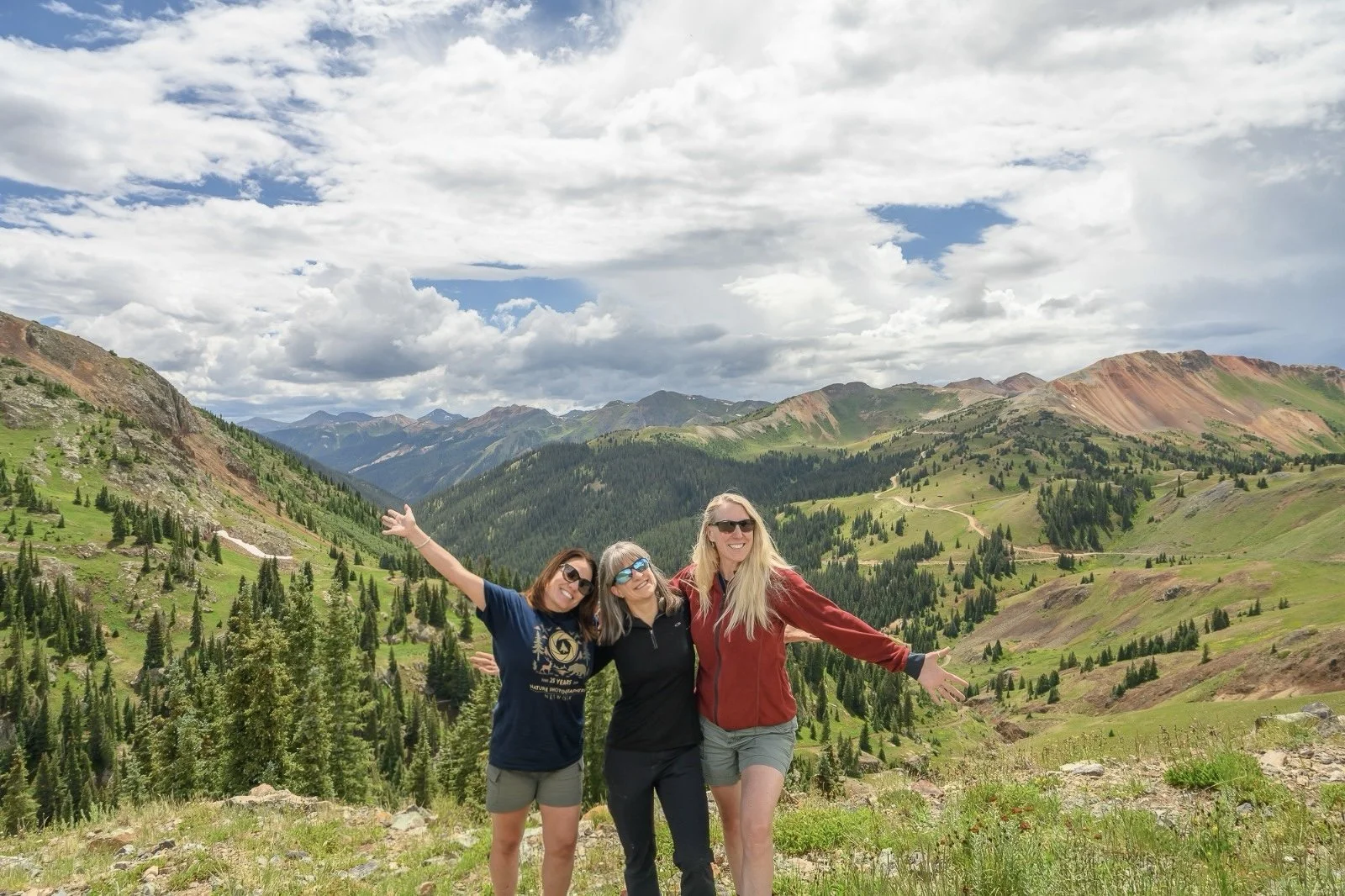
Photo by Shanda
Last July, two friends and I took an overnight trip to the mountains to photograph wildflowers. Driving a rented jeep suited for the trails, we stopped often to capture the stunning landscape, blanketed in wildflowers and grand vistas.
At one point, we were taking photos in a field full of Indian Paintbrush, buttercups, white baneberries, bluebells, columbines, lupine, and more. The sky began to darken, and it looked like a storm was coming, but we didn’t want to leave. When thunder and lightning got closer, we knew it was time to pack up, get in the jeep, and head to the spot where we hoped to set up our tent before it got dark and started raining.
We arrived at the spot we had picked to spend the night. We were amazed by its beauty but knew it would be a rough night. Our tents were basic and protected us from wind and rain, but they were not comfortable. A couple of other vehicles were there, one with a roof tent that looked much more comfortable. We moved big rocks to make the ground as comfortable as possible. It was a parking lot, so we weren’t disturbing trails or the natural environment.
If you find yourself in a similar situation, a few small tricks can help. Bringing an extra sleeping pad adds cushion to hard or rocky ground, and packing a small camping pillow is worth the space. In a pinch, using extra clothes or your camera bag for padding helps (I used my camera bag as a pillow this time). It’s also good to check the ground for rocks and sticks before setting up. If you expect wet weather, keeping gear in dry bags or trash bags inside the tent helps keep things dry.
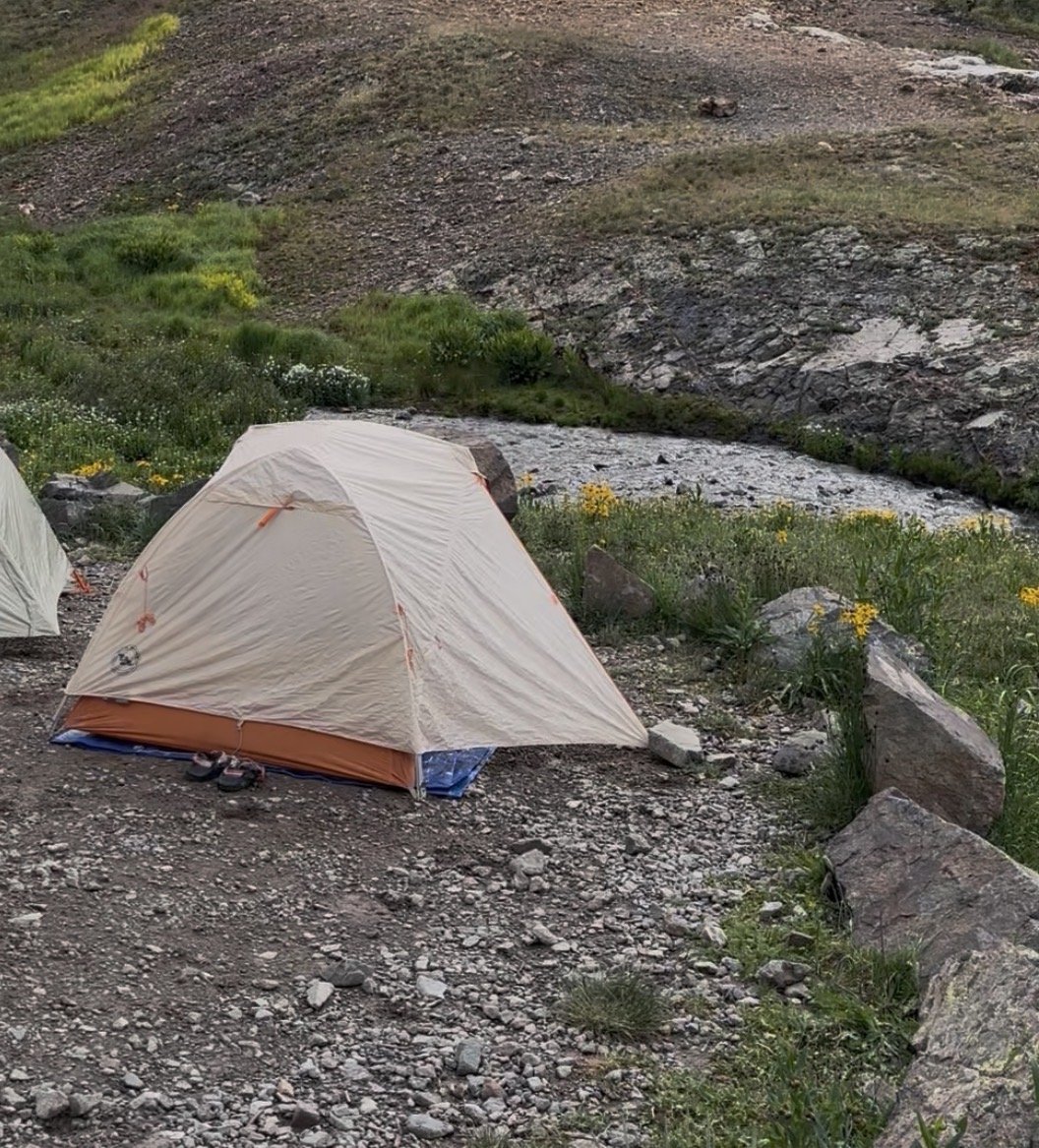
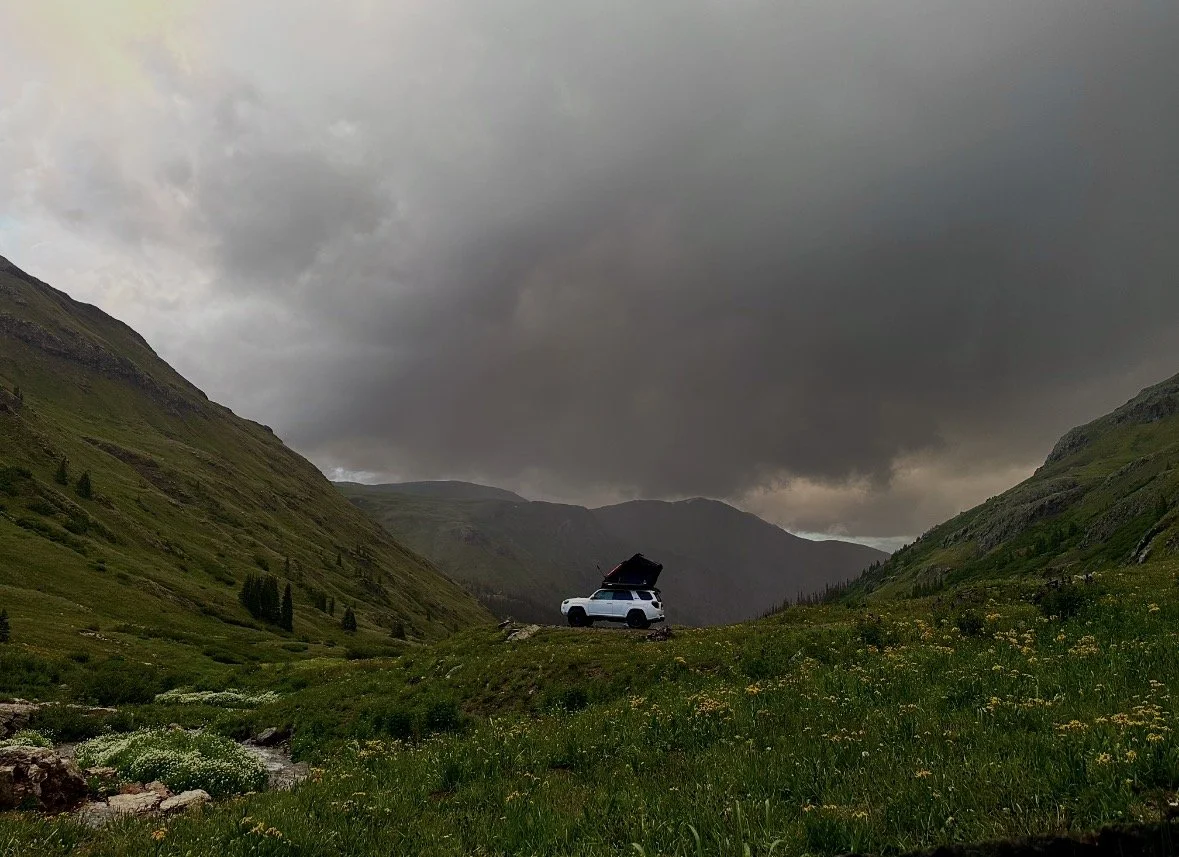
My tent vs. the tent I wish I had
The parking lot was on a slope, but it worked well enough. After setting up our tents, we grabbed our cameras and went exploring. We all wished for more time to take photos. The sky darkened as storm clouds moved in, shortening our chance to photograph. A few times, the sun lit up the mountain peaks, which was amazing to see. I always love a dark, stormy sky in contrast with warm light from the sun.
Soon, we all ran and jumped into our tents as the storm hit hard. Our tents held up, even with the strong wind and heavy rain. As soon as the rain stopped, we went back outside to take more photos before it got too dark.
Photographing Wild Flowers
When I visit places like this for the first time, I feel both overwhelmed and grateful. When I take photos, I want to connect with nature, respect the place, and capture it in a way that feels true and does it justice. If you’re a photographer, you know this isn’t easy, which is why I often feel overwhelmed. Over time, I’ve found that slowing down and being intentional makes a big difference. I start by walking around and feeling grateful for the opportunity to be there. I acknowledge my feelings, pay attention to what grabs my attention, and then start photographing. On this occasion, I wanted to capture both the grandeur of the place and the beauty of the land, focusing equally on the small flowers that blanketed the fields and the grand landscape that took my breath away. Together with the river and mountains, they make up this beautiful place.
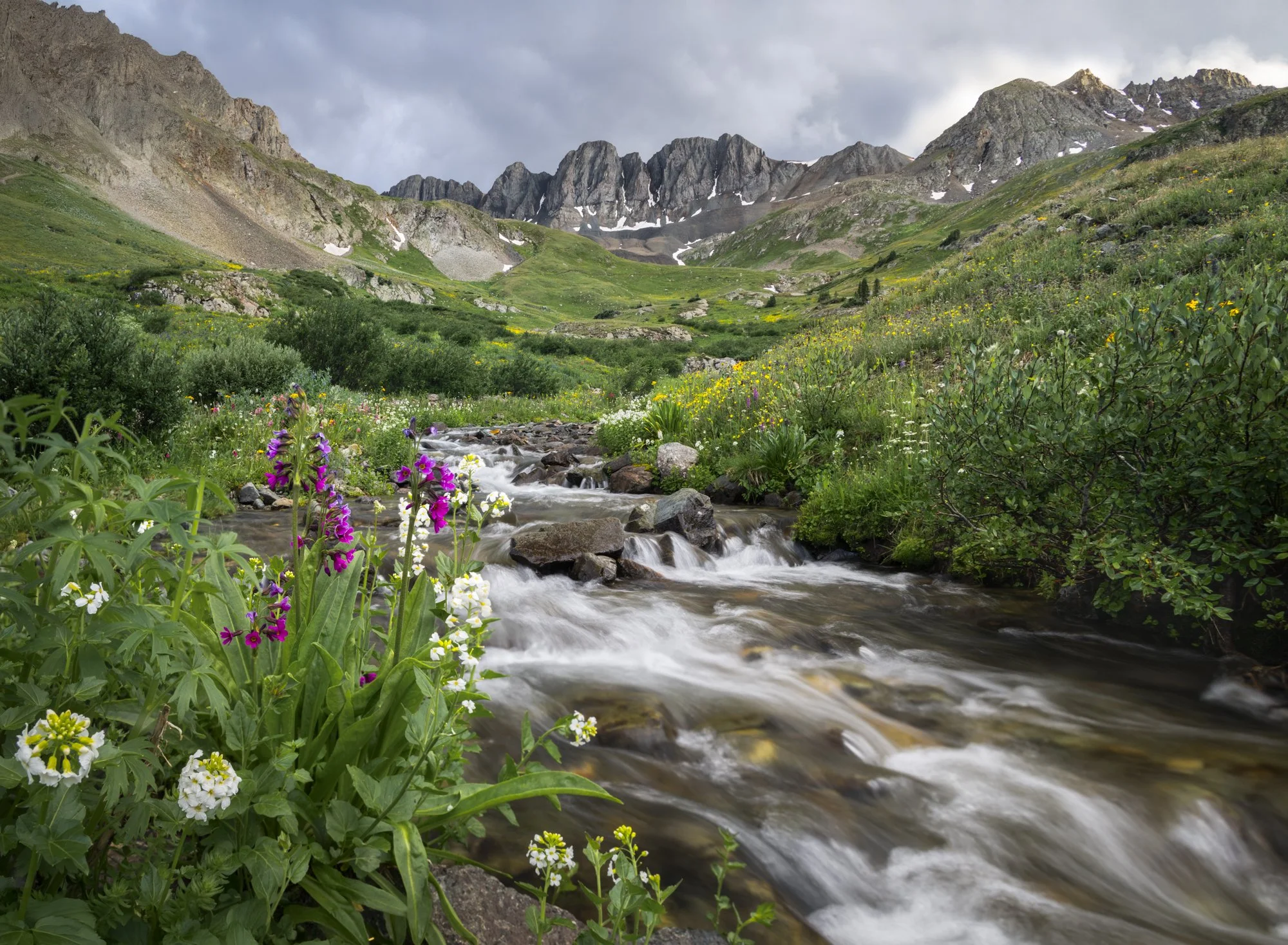
Here are a few practical tips that help me be more present and mindful in my approach:
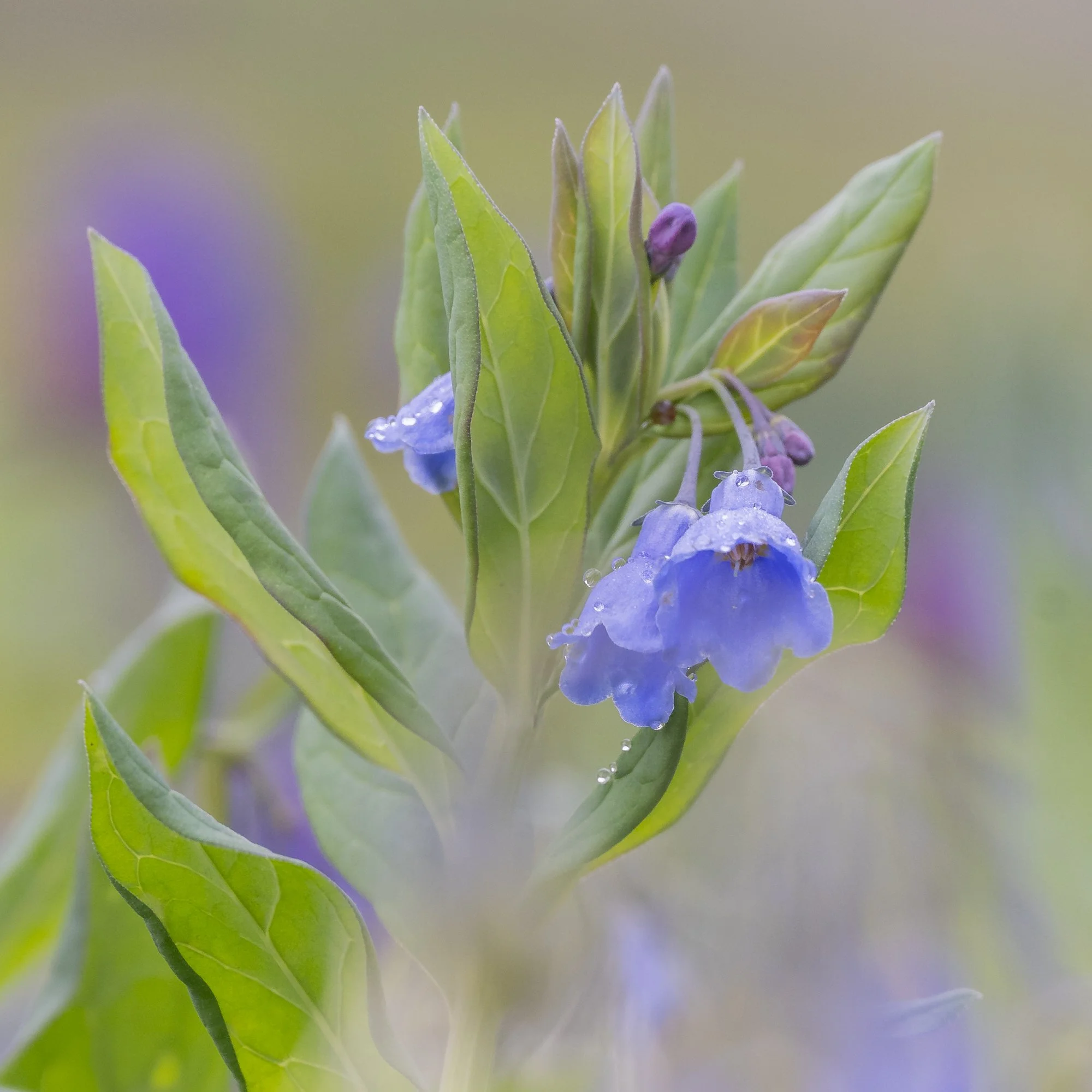
Take a few quiet minutes to stand and observe before taking any photos. This helps you settle into the environment and notice things you might have missed if you rush in.
Put down the camera and walk around, paying attention to textures, colors, and the light. Sometimes, just sitting down to appreciate the view from a new angle reveals something special.
When I do start shooting, I often use a wide-open aperture for single-flower portraits so the blooms' colors stand out against a soft background.
I ask myself what story I want the image to tell, and I will change my perspective, crouching low or shooting from above to find a more interesting angle.
Making these choices helps me capture photographs that show both the beauty of the flowers and how it felt to be there in that moment.
Side note: During this time, I noticed several patches of trampled flowers and plants, which is infuriating. It looks like it happens often, since there was a sign clearly asking people not to do this because it kills the plants and makes it harder for them to come back. One way to avoid this is to stick to trails, stand on rocks, or use a zoom lens. I use my 400mm zoom, which helps isolate my subject without trampling flowers and plants.
I often wait months before editing my photos after a trip for a few reasons. One is that I’m always behind. I enjoy editing, but would rather be outside taking pictures. The bigger reason is that my memories of the trip are usually stronger than the photos, so I need time for that feeling to fade. Waiting helps me see my photos more clearly. Now, after almost 10 months, I’m finally sharing this gallery. I hope you enjoy it, and I’d love to hear your thoughts or similar experiences.
You can view the full gallery here
